




Kavala Marble
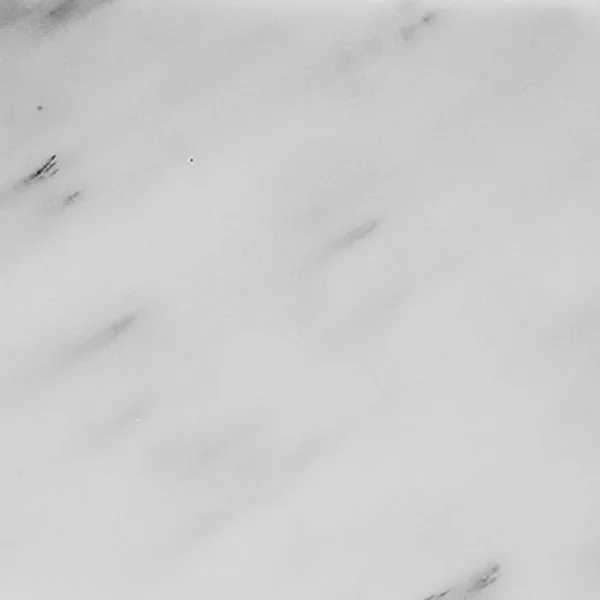
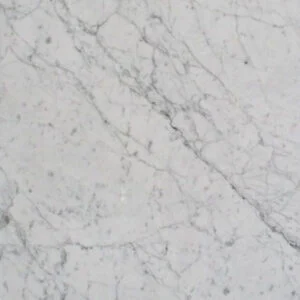
The Kavala Marble, known as Hemarus, is a calcareous marble from the Nestos area in Eastern Macedonia. It has a white to off-white base with distinct gray veins. It appears in three different patterns: horizontal veins, diagonal veins, and large patterns resembling clouds, which allows for a different effect from the same material.
- Color
- Semi-white, White
- Origin
- Kavala
- Material
- Marble
What is Kavala Marble
Kavala Marble is a calcareous marble from Eastern Macedonia, from the area of the Nestos river. In the international market, it is also known by the commercial name Hemarus. It has a white to off-white base with distinct gray veins, and the characteristic that distinguishes it from other Greek whites is that its veins appear in three different patterns.
Features
- Geological type: calcareous marble
- Origin: Nestos area, Eastern Macedonia
- Commercial name: Hemarus
- Color: white to off-white
- Veins: gray, in three patterns, horizontal, diagonal, and large patterns resembling clouds
- Uniformity: depends on the pattern chosen
Where it is used
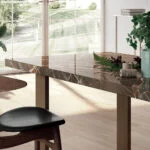
It is used in floors, wall cladding, stairs, and bathrooms. The interesting aspect of the three patterns is practical: the horizontal veins provide a calm, linear effect on large surfaces, the diagonal ones add movement, and the cloudy pattern works best on individual surfaces that we want to draw attention to.
What affects the price
Here, the special factor is the pattern of the veins. Slabs with continuous patterns, allowing the continuity of the vein from slab to slab, have different value from slabs with asymmetrical designs, even when they come from the same block. After this, thickness, cuts, and finishing are calculated.
Maintenance
The strong gray veins work in your favor in wear: small scratches and marks disappear within the pattern, unlike uniform whites where every scratch is visible. Sensitivity to acids remains, as with any calcareous marble, and waterproofing during installation is the primary protection.
Features
Similar products


Frequently Asked Questions
It is the commercial name under which the Kavala marble is traded, mainly in exports. It is the same material, so if you encounter it in a catalog as Hemarus Grey, it refers to the Kavala marble.
Yes, it is enough to be declared before the selection of the slabs. The three designs are not produced on demand, they arise from the way the block is cut, so the availability of each design depends on the batch.
The Voulakas and the Pirgon are materials of the same broader zone, but the Voulakas is dolomitic marble while the Kavala is calcareous. The difference is evident in the resistance to acids and in the pattern of the veins.
Information about Kavala Marble
Contact us for availability, finishes, applications, and technical information.